Bench Bolt

Before you send anything

What the desk expects from a submission, and what happens to it after it lands.

These are the questions readers ask most often before sending a workshop story, a teardown or a market note.

What can I send in?
A repair diary, a tool teardown, a market note, or an admin or pricing tip. Anything that comes from a real bench and can be described plainly.
How should it be written?
In your own words. Note what you were fixing, which tools you used, what went wrong and what you would do differently. Rough notes are fine; the editors shape the piece.
Do I need photos?
Not to start. If the editors want bench or tool photos for a piece, they will ask. You can flag on the form whether you are able to send them.
Will it be published as sent?
Not word for word. Submissions are edited for length, clarity and accuracy, and a piece may run in a later issue or not at all. Nothing is scheduled until an editor confirms it.
What should I leave out?
Skip supplier names you cannot back up, private addresses and anything you would not want quoted. Keep the technical detail, drop the guesswork.
Where do I send it?
Through the submission form on the contact page. If you want to see how the desk handles tips and standards first, read the questions page.

What the desk publishes, format by format

Five recurring formats run through every issue. Each one is built for a solo maker working from a spare room, a garage corner or a shared yard, and each one is meant to be used at the bench rather than admired from a distance.

How-to columns

One bench task per column, walked through in order. Clamping a workpiece, drilling a clean hole, finishing an edge, setting up a vice so it does not fight your light. Steps, not theory.

Best for: makers starting a bench or fixing a habit that keeps costing them time.

Read a bench setup column

Tool teardowns

A used hand tool or bench machine gets opened up, part by part. Handles, ferrules and cutting edges fail in a fairly predictable order, and the teardown names the wear points you can check before buying or repairing.

Best for: anyone deciding whether a fix is worth the hours.

Market notes

Field observations from flea markets and industrial-edge traders around Johannesburg, Durban and Cape Town. What turned up, what condition it was in, and how to ask for a part without wasting a morning.

Best for: sourcing bearings, belts, switches and odd fasteners.

Admin explainers

Permits, invoicing, deposits and suppliers who go quiet after they take your money, written in plain language. A written quote, a deposit record and an invoice with the right details cover most of it.

Best for: keeping a one-person operation standing on paper.

Reader workshop diaries

The main source of published material. Repair diaries, teardown notes and market finds sent in by readers, edited for clarity and run with the details that actually help the next person.

Best for: readers who want their bench work to reach other makers.

Send a workshop story or tip

How to pick a format

If you solved a bench problem, that is a how-to. If a tool failed on you, that is a teardown. If you found something useful at a market, that is a market note. If paperwork tripped you up, that is an admin explainer.

Not sure where yours fits? The editors will place it.
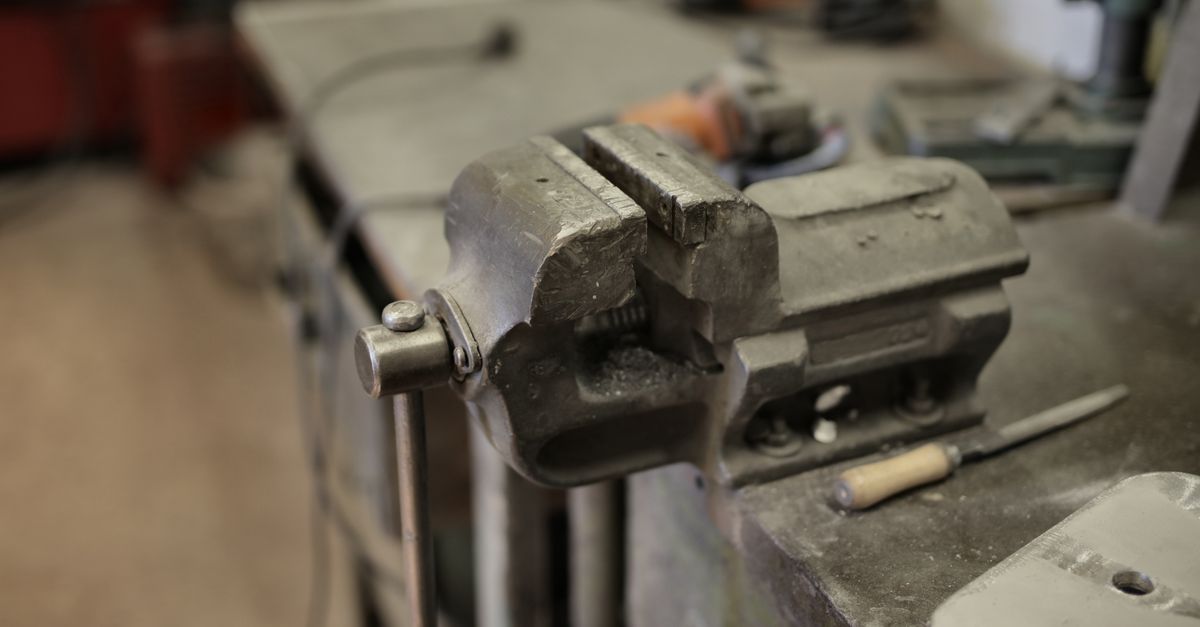
What the desk publishes

Five recurring formats, each built for people who work alone at a bench and need something they can use the same afternoon.

Bench Bolt: offerings
  • How-to columns

    One bench task per column, walked through step by step. Clamping a workpiece, squaring an edge, setting a vice so it stops fighting the light. Written for a small surface, not a full workshop.

  • Tool teardowns

    A used hand tool or bench machine opened up, part by part. We name what is inside and point out the wear spots worth checking before you buy secondhand or decide a repair is worth the hours.

  • Market notes

    What turns up at flea markets and industrial-edge traders around Johannesburg, Durban and Cape Town. Plain observations on condition and price ranges, plus how to ask for a part and what to bring along.

  • Admin explainers

    Permits, invoicing and supplier deposits translated into everyday language. A written quote, a deposit record, an invoice with the right details: the paper trail a one-person operation still needs.

  • Reader workshop diaries

    The main source of published material. Repair diaries, teardown notes and tips sent in by makers, then shaped for the next issue. If you have a story from your bench, the editors read every one.

    Send a workshop story or tip / Start with the one-meter bench