Bench setup
Setting Up a One-Meter Repair Bench in a Small Room
How to fit a vice, light and tool wall into a corner without losing floor space
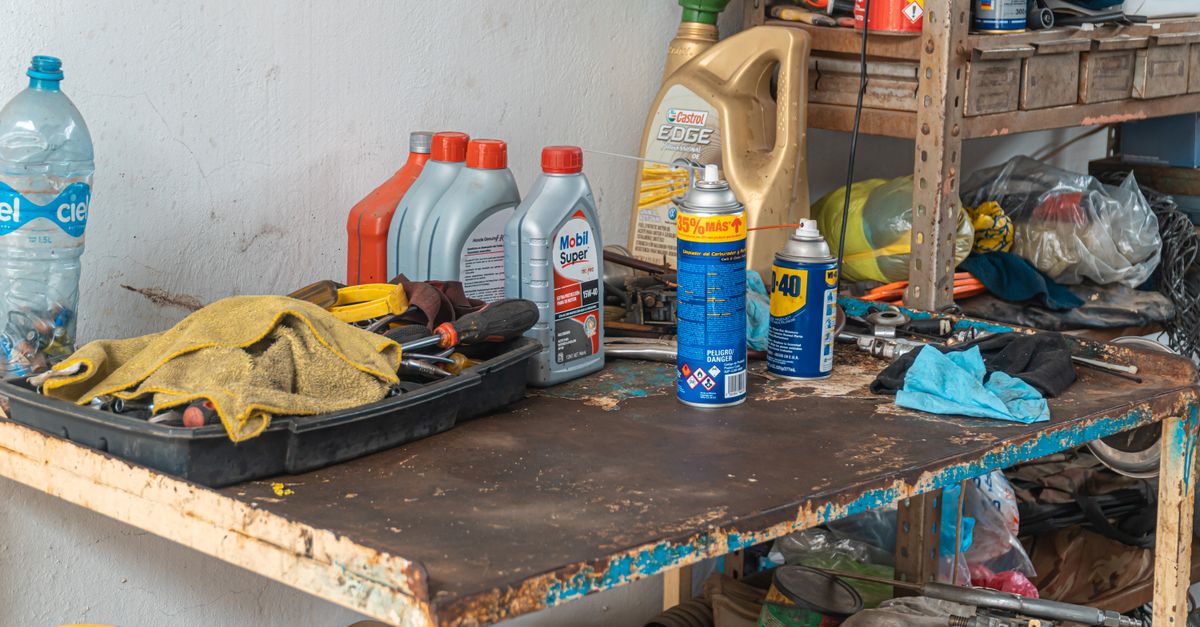
A one-meter bench is not a compromise if you plan it around one repeated task. In a spare room, the wall does most of the storage work and the surface stays clear for the job in hand. The layout below comes from a reader who turned a 2.4 m stretch of wall into a working corner, and from what got moved after the first week.
Measure your reach before you measure the wall
Stand at the spot where you will actually work and note where your elbow sits. That height decides the bench top, not a standard number from a catalogue. A surface that is too high pushes your shoulders up; too low and you lean into the vice all afternoon. Mark the wall at that elbow height, then check it against the depth you can comfortably reach without stepping back.
Mount the vice where it does not fight the light
The vice goes at one end of the bench, not the middle, so long stock can hang past the edge. Keep it away from the corner where a lamp would cast your own shadow across the jaws. A single adjustable task lamp aimed at the vice beats a bright room light every time, because it puts the light where the cut happens and leaves the rest of the room dim enough to see the workpiece clearly.
Decide what stays on the bench and what goes on the wall
Only four tools earn a place on the surface: the ones you pick up on almost every job. Everything else moves to a pegboard or a rail above the bench, grouped in the order you reach for it. A small parts tray sits within arm's length of the vice. Offcuts go on a lower shelf, never on the work surface, or they will swallow the space within a week.
What moved after the first week
Three things shifted once the bench was in use. The clamp rack came off the wall and onto the shelf, because it was in the way of the lamp. The small-parts tins moved closer to the vice. The extension lead was rerouted along the back edge so it stopped dragging across the surface. None of these were obvious on paper, and all of them were cheap to fix.
The upgrades worth doing first
Before adding storage, sort the light and the cable route. A lamp you can reposition and a lead that stays out of the way change how the bench feels more than another shelf will. A reclaimed top on a steel frame is enough for most small work; the frame matters more than the timber, because a bench that rocks will undo every other improvement.