An independent editorial desk for small workshops and repair benches
Where the desk draws the line, and what a few recurring words actually mean here.
Read these before you quote us, cite us or send something in. They settle the arguments that keep coming back.
Bench Bolt publishes reporting and testing. We do not sell tools, run courses, take on repair jobs or act as an agency for anyone. If a page reads like an offer, it is a description of a method, not a service you can buy from us.
When we say a method or a tool was tested, we mean it was used on a real work surface by someone working alone. It is not a laboratory result, a safety rating or a guarantee that the same approach will hold up in your setup.
Workshop diaries, tips and market notes come from readers and are treated as first-hand accounts, not verified findings. We edit for clarity and length. Sending something in does not commit us to publishing it, and it does not create a paid relationship.
Our notes on permits, invoicing, deposits and suppliers are written in plain language to help you keep a paper trail. They are not legal, tax or accounting advice, and they do not replace a qualified professional who knows your situation.
Anything we note about parts availability or cost reflects what a maker saw at the time of writing. Stock shifts, suppliers change and a route that worked last season may not work now. Treat those notes as a starting point for your own walk, not a current listing.
Stories, tips and corrections all arrive through the same route: the contact page. We do not run comments, accounts or a submissions portal, so anything sent another way is likely to be missed.
The desk runs on material sent in by readers, not on press releases. Here is the route a tip takes from your bench to a printed column, and what happens at each stop.
Curious what the desk covers day to day? See the beats we run, or read how the desk started.
Use the contact page to describe what happened at your bench: a repair that fought back, a tool that failed early, a parts run worth repeating. A few honest sentences beat a polished write-up.
Every submission is read by a person, not a queue. If the story fits a column, an editor replies to ask follow-up questions, confirm details, and check whether you can send bench or tool photos.
Where a method can be tried, we try it. Where a part or price is mentioned, we ask how it was found and what it cost in time. Anything we cannot stand behind gets cut or marked as your account, not ours.
A draft goes back to you for a read before it runs. You can correct a detail, pull a name, or ask us to leave something out. Nothing is published without that check.
Accepted stories appear in the how-to columns, repair diaries, teardowns or market notes. You get a note when your piece is scheduled, and a copy of the issue it lands in.
Published pieces often draw corrections, variations and follow-up tips from other makers. Those come back to the desk and feed the next round of columns, so a single story rarely ends where it started.
Bench Bolt is an editorial desk, not a shop, school or agency. What we publish comes from reporting, bench testing and reader material, and every piece is checked before it runs.
That means a few things are fixed. We say where a method came from. We say what it cost in time or material when we know it. And when a claim has not been tested on a real work surface, we say so instead of dressing it up.
What you will not find here
No get-rich stories. No inflated claims about tools or suppliers. No product promises dressed as advice. If a column cannot survive a real bench, it does not run.
Open process
We describe how a method was tried, on what kind of bench, and with which tools. Steps stay in the order they actually happen.
Clear conditions
Where a result depends on space, power, part availability or skill level, we name the condition instead of leaving it implied.
Careful communication
Reader submissions are read by an editor. If a diary needs a follow-up question before it can run, we ask it rather than filling the gap ourselves.
Detail checks
Tool names, part sizes and steps are checked against the notes and photos a reader sends, or against what we handled ourselves.
Documented stages
Each piece keeps a short record of where it started: a reader tip, a teardown, a market walk or a question about paperwork. That record is what lets us correct a column later if a method turns out to fail.
Bench Bolt is not a shop, a school or an agency. It is a reporting and testing desk for people who fix and build things from spare rooms, garage corners and shared yards. Here is what that work looks like week to week.
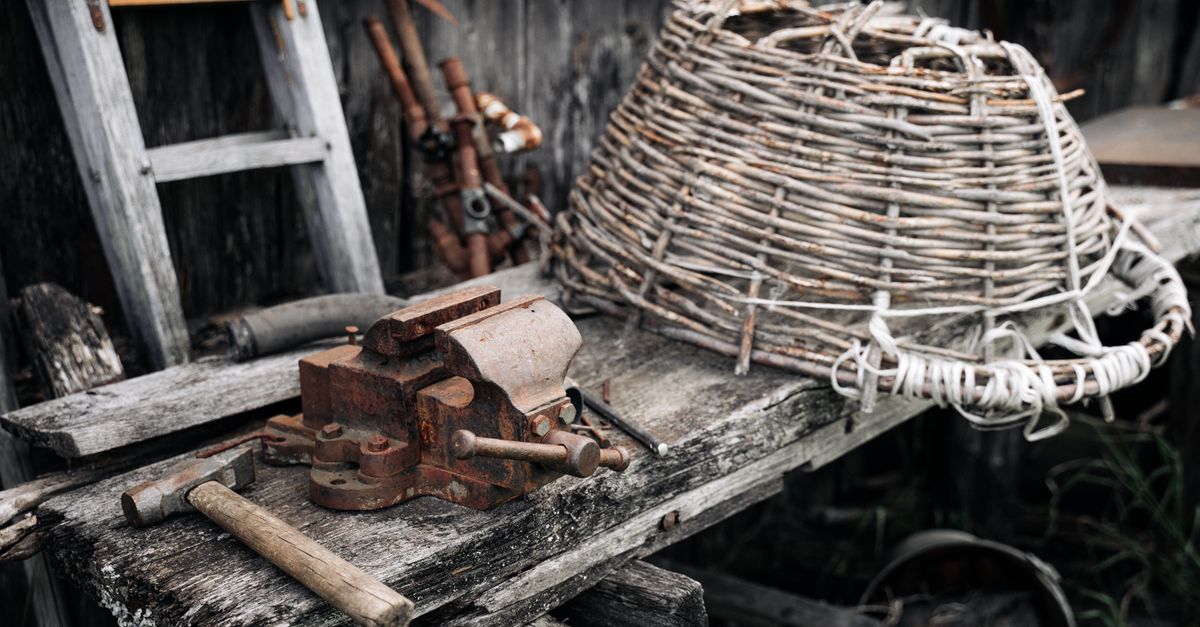
Columns on fitting a vice, task lamp and tool wall into a one-meter corner, so the work surface stays clear and the floor stays walkable.
We strip hand tools to see what gives up first: loose handles, cracked ferrules, edges sharpened one time too many. Then we say whether a fix is worth the hours.
A plain method for quoting repair and craft jobs: the hours a job really takes, materials markup, travel to collect parts, and the cost of a redo.
Field notes on spares shops, scrap yards and market stalls that reward a slow walk, plus how to ask for a part and judge whether a used component is worth the risk.
Quotes, deposits, invoicing and permits explained without jargon, including what to do when a supplier takes a deposit and stops answering.
Workshop diaries, repair notes and tips sent in by readers shape what gets published. If a method survives contact with a real work surface, it runs.
Want the full picture of the beat we cover? See what the desk publishes, or send a workshop story or tip through the contact page.