An independent editorial desk for small workshops and repair benches
Inside the desk
Bench Bolt is a small independent editorial desk working out of Rosebank, Johannesburg. Most of what runs here begins as a reader tip or a workshop diary entry, not as a brief handed down from a marketing plan.
A submission lands, gets read, and then gets checked against a real work surface. If someone writes that a certain clamp holds better than another, we try it. If a reader claims a bearing lasts longer when packed a particular way, that claim either holds up at the bench or it does not run. We keep our own bench notes on layout, tool wear and parts sourcing, and we cross-check numbers so the same figure appears everywhere it is used.
The desk turns down get-rich stories, inflated claims and product promises. What stays is the unglamorous part: clamping, sharpening, wiring a small workspace, wording an invoice, and figuring out what to do when a supplier takes a deposit and goes quiet.
Nothing here runs on a schedule invented in an office. A column starts as something a reader sent in, then gets walked past a real bench before it earns a place in the issue.
Step one
Most material arrives as a workshop diary entry, a repair note or a tip about a part that was hard to find. It comes from spare rooms, garage corners and shared yards, not from a press office.
Step two
Before anything is written up, the claim gets tested against a real work surface. If a clamping trick, a sharpening angle or a wiring fix does not hold up in practice, it does not go in.
Step three
Bench notes on layout, tool wear and parts sourcing are kept in one place. A figure that appears in a column is matched against the same figure wherever else it is used, so the two never drift apart.
Step four
Get-rich stories, inflated claims and product promises are refused outright. Coverage stays on methods that survive contact with a real bench: clamping, sharpening, wiring a small workspace, wording an invoice, and dealing with a supplier who takes a deposit and goes quiet.
The desk runs from Rosebank, Johannesburg, and keeps its own bench notes alongside what readers send. That is the whole editorial process: a tip, a test, a check, and a decision about what is worth printing.
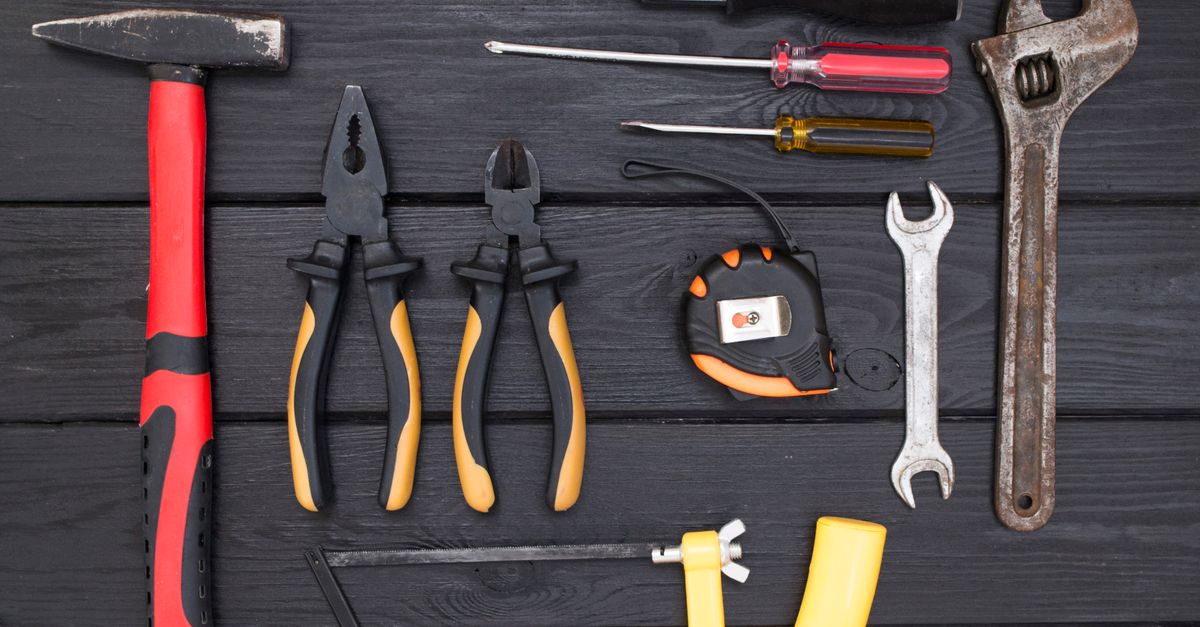
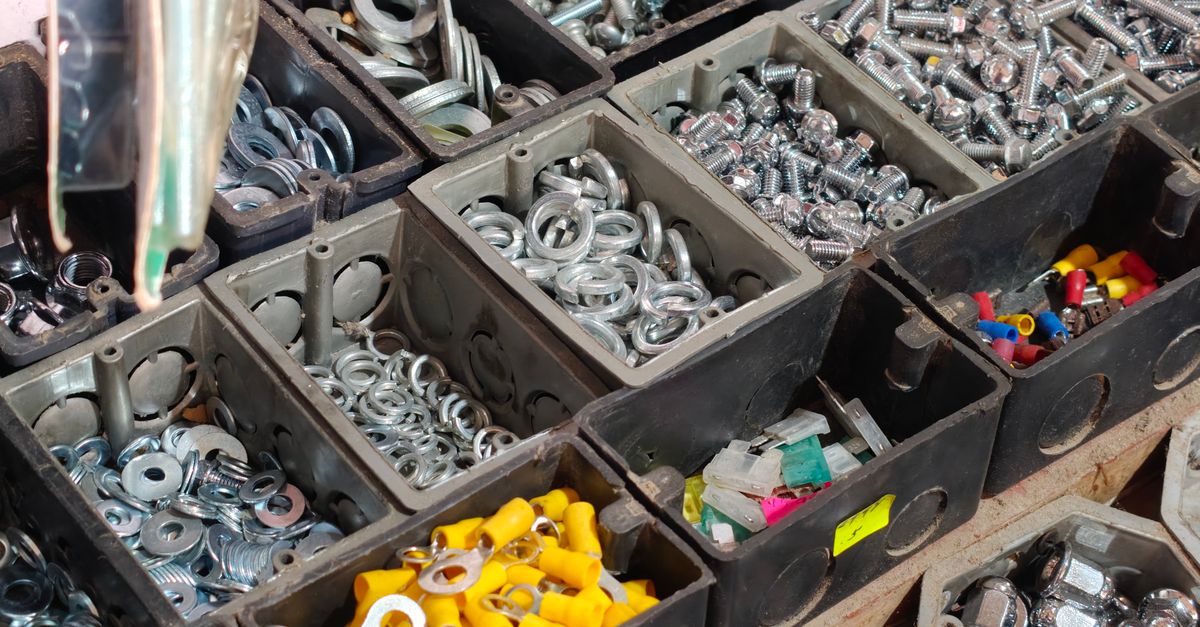
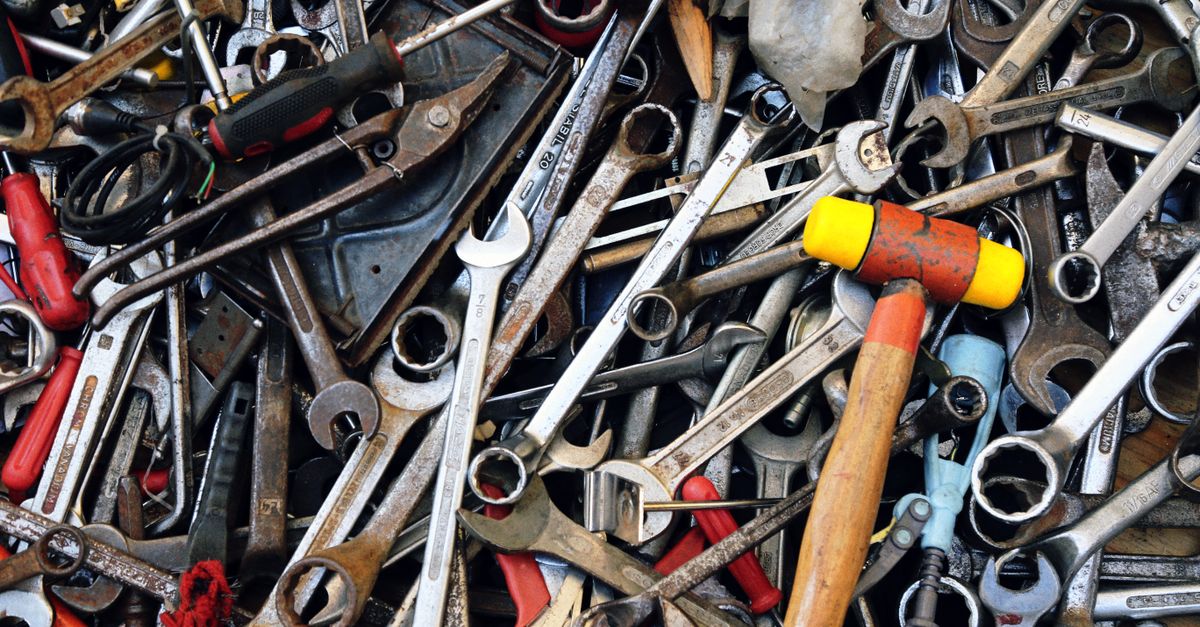
Columns rarely start at a keyboard. They start with a photo of a cramped bench, a worn chisel, or a parts tray pulled from a scrapyard. These are the kinds of surfaces the desk works from: ordinary, used, and photographed as they are.