Market note
Sourcing Parts Around Johannesburg's Industrial Edges
Scrap yards, spares shops and flea market stalls that reward a slow walk
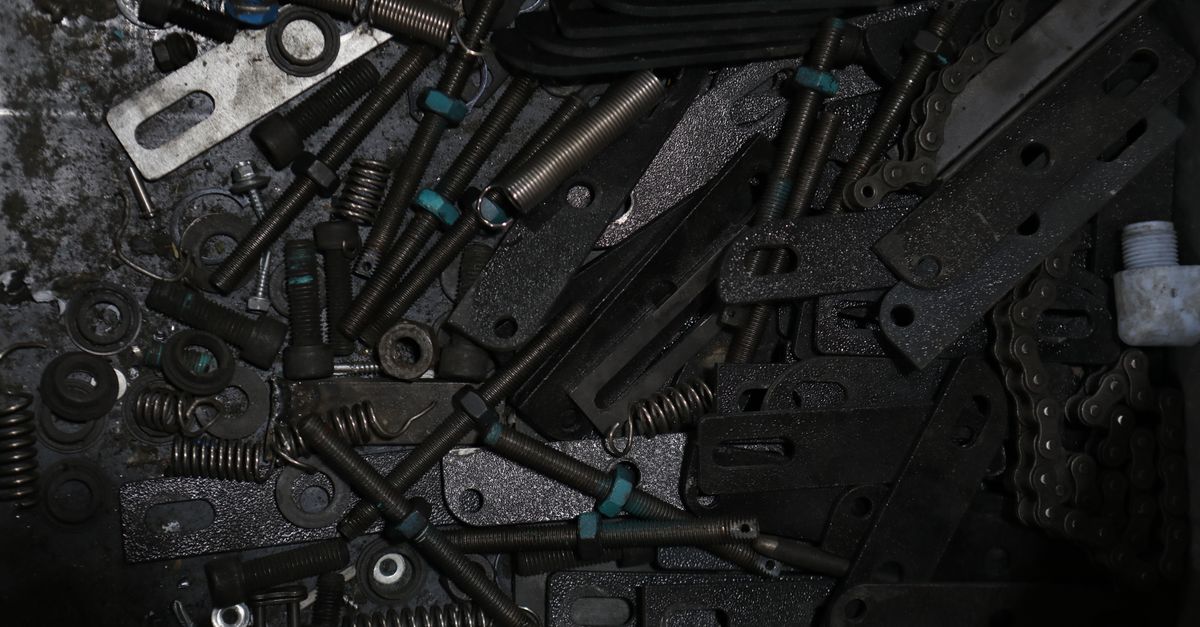
A bearing number written on the back of a till slip is not a shopping list. It is a starting point. The part you need is often sitting in three different places along the same industrial road, and none of them will have it labelled the way you expect.
Spares shops on the older industrial strips tend to keep the slow-moving stock at the back, behind the counter, in boxes that have not been touched in a while. Ask for the part by size and by the machine it came out of, not just by name. Bring the worn component with you if you can, even if it is in two pieces. A counter hand who can hold the old part against a shelf will find a match faster than one working from a description.
Scrap yards are a different exercise. Some let you walk the rows and dig through crates; others want you to point and wait. Either way, go early in the day, wear closed shoes, and carry a small bag for the fasteners you will inevitably spot on the way to the one thing you came for. A used switch or pulley is worth the risk only if the housing is intact and the moving parts still turn freely by hand. Rust on the outside is normal. Play in the shaft is not.
Flea market stalls that sell by the piece rather than the box are the quiet winners for odd fasteners, old-style switches and small brackets. The sellers know their stock, so ask what the part was used for before you ask the price. If you only came to look, buy something small anyway. It keeps the relationship open for the next visit, when you actually need the part that is not on the table yet.
This note is part of the desk's market coverage. Related reading: Setting up a one-meter repair bench and more posts from the workshop desk.